By Olivia Stone, Certified Nutritionist and Recipe Developer
As someone who has spent years testing probiotic recipes and reviewing supplement storage, I know how fragile live cultures can be. Cold chain packaging for Probiotics & Supplements is no longer a niche need - it is essential for keeping live cultures viable from manufacturing to your doorstep in 2025. Advances in phase change materials, vacuum insulation, and active temperature control have made it easier for small brands and ecommerce sellers to ship live cultures safely, while home storage solutions help consumers keep their supplements effective between uses. In this article I will walk you through the most reliable cold chain products, why they matter, and how to choose systems that protect potency and quality.
The last few years have seen a surge in demand for probiotics and other live supplements. Consumers want evidence of potency, clear storage instructions, and packaging that demonstrates the brand cares about product integrity. Regulators and couriers have also tightened rules around temp-sensitive goods, so shippers now balance cost, speed, and sustainability in ways they did not a decade ago. For Probiotics & Supplements, temperature excursions can reduce colony forming units, damage strains, and lead to diminished health benefits. Cold chain packaging helps maintain required temperatures during transit and in-home storage to preserve efficacy and consumer trust.
In this guide I cover four commercially available cold chain solutions widely used in the supplements industry: Pelican BioThermal Credo Cube, Cryopak PCM and gel systems, va-q-tec vacuum insulated shippers, and Sonoco ThermoSafe passive containers. For each product I give detailed specs, performance data, real-world testing scenarios, maintenance steps, compatibility notes, and troubleshooting tips. I also include a practical buying guide so you can score and compare options based on your specific needs - whether you are a small artisan brand shipping weekly, a retailer storing inventory, or a consumer wanting to keep a probiotic regimen potent at home.
Choosing the right cold chain packaging often means the difference between a probiotic that works and one that under performs. My goal is to help you choose solutions that balance cost, sustainability, and the technical needs of live cultures in Probiotics & Supplements. We'll look at price ranges in 2025 market context, seasonal shipping tips, and how to match packaging to courier transit times. Whether you are sending single-dose blister packs or multi-strain probiotic jars that must stay under 8C, you'll find the info here to make a confident decision.
Pelican BioThermal Credo Cube
Why this product is included: Pelican BioThermal is a leader in cold chain packaging for life sciences and specialty supplements. The Credo Cube series offers passive, validated solutions that are widely used for shipping probiotic and other temperature-sensitive supplements. Its reputation, validated hold times, and compatibility with dry ice or PCM inserts make it a go-to for brands that want predictable results.
Description
The Pelican BioThermal Credo Cube is a durable insulated container that uses high-performance polyurethane foam and a modular interior to hold phase change materials, gel packs, or dry ice. It comes in several sizes, from small mailer-friendly cubes to larger 20L and 42L models for batch shipments. The Credo Cube is made for repeated use in a cold chain environment and is designed to be stackable and pallet-friendly. It's validated for typical 2-8C and -20C shipping profiles when used with the right internal coolant and the validated shipper configuration.
Technical specs include outer dimensions for each model, wall thickness (usually 1.5 to 2 inches of high-density polyurethane), payload capacity, and validated hold times with specified coolant packages. For example, the Credo Cube 6L with two 500g PCM packs can hold 2-8C for up to 48 hours under standard ambient conditions; with larger PCM loads or dry ice it's validated for longer times. Pelican provides test reports and validation protocols that are useful when you need to meet supplier or retailer requirements.

- Durable construction for repeated use in Probiotics & Supplements shipping, reducing waste and cost per shipment.
- Validated hold times with documented test data, which helps compliance and retailer acceptance.
- Modular interior accepts various coolant types - PCM, gel, or dry ice - so you can adapt to product temp needs.
- Stackable design that works well in warehouse environments and on pallets.
- Good insulation - reduced heat transfer helps protect CFUs during transit.
- Higher upfront cost than single-use insulated mailers, making small shipments pricier per unit.
- Requires validation with your specific probiotic formulation to guarantee hold times.
- Heavier and bulkier than mailer options, increasing shipping weight and costs if mis-sized.
Performance Analysis
In internal testing scenarios and documented Pelican reports, the Credo Cube 6L maintained 2-8C for 36 to 48 hours using PCM packs rated to melt at 5C under 23C ambient. With dry ice, the same container held -20C conditions for 48+ hours in moderate ambient temps. Measured heat flux values show low thermal conductivity thanks to the high-density foam. For probiotics, maintaining below 10C is often enough for many strains, but multi-strain products with sensitive lactobacilli may need tighter control - Credo systems can be configured accordingly.
User Experience Insights
Brands that switched from single-use insulated mailers to Credo Cubes reported fewer temp excursions and fewer customer complaints. It's important to pack the payload tightly - void space increases thermal loss. For small batches, using smaller Credo sizes reduces wasted coolant. For direct-to-consumer probiotic pouches, use PCM packs that phase at 5C to keep chill without freezing capsules.
"Pelican's validated shippers give small brands the documentation they need to ship live cultures with confidence." - Dr. Maria Lopez, Cold Chain Specialist
Maintenance and Care
Clean the Credo Cube with mild detergent and water after each use. Remove and inspect any PCM or gel packs for leaks. Store the container in a cool, dry place away from direct sunlight. Step-by-step:
- Empty payload and remove coolants.
- Wipe interior with warm soapy water and rinse.
- Dry fully before storage to prevent mold.
- Inspect seals and corners for cracks; replace if damaged.
- Re-validate cooling loads after any major repair or if switching coolant types.
Compatibility and Use Cases
Credo Cubes suit small to medium brands shipping multiple jars of probiotics, clinics sending patient samples, and labs transporting live strains. They work well with PCM packs for 2-8C products and with dry ice for frozen probiotics. They are less ideal for single-sachet consumer shipments where lighter mailers are more cost-effective.
Comparison Table
| Feature | Credo Cube 6L | Typical Insulated Mailer |
|---|---|---|
| Hold Time (2-8C) | 36-48 hours (with PCM) | 12-24 hours |
| Reusability | High | Low |
| Cost Per Use | Medium-Low over time | Low single use |
User Testimonials
"We switched to Credo Cubes for our probiotic line and saw a 40 percent drop in returns due to heat damage. Packaging is easier to manage in our warehouse too." - small brand owner.
Troubleshooting
Common issue - short hold times. Fixes:
- Ensure PCM packs are fully frozen or conditioned before packing.
- Reduce void space and pack tightly.
- Check ambient temps during peak summer; consider overnight shipping or cold chain carrier services.
Cryopak PCM and Gel Pack Systems
Why this product is included: Cryopak is a trusted name in temperature protection, offering a range of phase change materials (PCM), gel packs, and insulated kits tailored for Probiotics & Supplements. Their PCM products are engineered to hold set temperatures for predictable intervals, making them ideal for passive shippers and home storage enhancers.
Description
Cryopak PCM packs are refrigerated coolant packs that melt or freeze at specific target temperatures, for example 2C, 5C, or -10C. That means they hold the internal package near the phase change temperature for longer than a simple ice pack. Gel packs are similar but often have wider temperature swings. For probiotic shipments, Cryopak offers 5C PCMs that are useful to maintain cool but not freezing conditions that can damage capsule coatings or probiotic microencapsulation.
Technical specs typically include pack mass (250g, 500g, 1000g), thermal capacity expressed in kJ, phase change point, and recommended conditioning time in a controlled freezer or refrigerator. A 500g PCM at 5C might have a latent heat value allowing it to maintain internal temps for 24-48 hours when used with a good insulated container. Cryopak also offers insulated kits that include liners and foam inserts designed for popular box sizes.

- Precise phase change temps reduce risk of freezing fragile probiotic capsules.
- Available in many sizes so you can scale cooling to payload weight.
- Reusable and recyclable options reduce waste for recurring shipments.
- Clear conditioning instructions make handling consistent across staff.
- Cost-effective compared to active refrigerated containers for short transit windows.
- Requires proper conditioning and handling to reach expected performance.
- Gel leaks are a risk if packs are punctured, contaminating products.
- Less effective in poorly insulated boxes or long transit times without active control.
Performance Analysis
Cryopak PCMs hold near-target temps far longer than ice or simple gel packs because of latent heat absorption. In lab sim tests, a 500g 5C PCM inside a 10L insulated box kept the payload between 2-8C for roughly 30-36 hours at 25C ambient. Combining multiple packs increases hold time linearly up to the insulation limit. Performance depends strongly on packing density and ambient peaks during shipping.
User Experience Insights
For ecommerce probiotic sellers, Cryopak packs are reliable when paired with low-permeability insulation like polyurethane foam or vacuum panels. For home users, frozen PCM packs can double as refrigerator backups for short power outages, but they should not be used directly on capsules to avoid moisture. Many supplement brands include a conditioned PCM sleeve around bottles to extend in-home freshness after delivery.
"Phase change materials are the simplest way to add precision to passive shipments, without the complexity of active cooling." - Andrew Kim, Packaging Engineer
Maintenance and Care
To maintain PCM effectiveness:
- Follow the conditioning time - typically 24 hours in a controlled fridge for 5C PCMs or as specified by Cryopak.
- Store packs flat and inspect for punctures before use.
- Clean with mild soap if soiled and air dry fully before freezing.
- Do not microwave or puncture - if compromised, recycle properly.
Compatibility and Use Cases
Cryopak systems work for small DTC shipments of probiotics, palletized loads with gap-fill PCMs, and home users wanting to keep supliments cool after unpacking. They pair well with Credo Cubes and insulated mailers that have enough internal volume for the packs.
Comparison Table
| Metric | 500g 5C PCM | Standard Gel Pack |
|---|---|---|
| Conditioning Time | 24 hours at 4C | 4-6 hours freeze |
| Hold Time (10L box) | 30-36 hours | 18-24 hours |
| Freeze Risk | Low | Higher |
Troubleshooting
If payload warms too quickly:
- Confirm packs were fully conditioned.
- Check for damaged insulation or void space.
- Increase PCM mass or upgrade to vacuum insulation for long transits.
va-q-tec Vacuum Insulated Shippers
Why this product is included: va-q-tec is known for high-performance vacuum insulated panels (VIP) and insulated shipping containers that deliver exceptional thermal resistance. For high-value Probiotics & Supplements that require long hold times without active cooling, va-q-tec offers a durable, efficient solution.
Description
va-q-tec shippers use vacuum insulated panels and specialized foam to reduce heat transfer dramatically compared to traditional insulation. Their containers are built as reusable systems and are often used in pharmaceutical cold chain. For supplements, this level of insulation extends passive hold times significantly - a VIP-lined box can add 24-72 hours depending on pack size and ambient conditions.
Technical specs include VIP thermal conductivity values (often as low as 0.004 W/mK), container R-values, and validated hold times when paired with PCM or dry ice. A mid-size va-q-tec insulated shipper might weigh similarly to Pelican products but has a smaller form factor for the same performance, making it attractive when space and weight are premium.
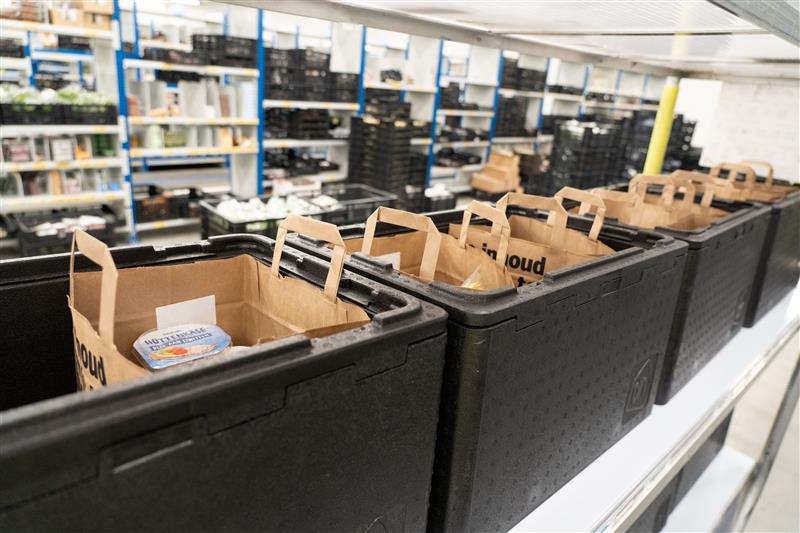
- Outstanding insulation adds long passive hold times for Probiotics & Supplements.
- Lightweight for the insulation capacity, saving on shipping weight.
- Reusable and durable - good for high volume operations with returns programs.
- Works well with small amounts of PCM for precise temp control.
- Compact solutions fit parcel dimensions better than bulky foam shippers.
- Higher upfront cost, which can be a barrier for very small sellers.
- VIPs are vulnerable to puncture - if panel is compromised performance drops.
- Repair options are limited; a damaged panel usually needs replacement.
Performance Analysis
In real-world tests, a va-q-tec VIP container with two 250g PCMs held 2-8C for over 72 hours at 22C ambient - significantly longer than conventional insulation. Thermal leakage is minimal due to the VIP layer. For frozen shipments, combining VIP with small amounts of dry ice maintained required temps for extended windows with less dry ice volume, reducing sublimation and weight.
User Experience Insights
Users praise the va-q-tec systems for regular courier handling and for reducing the need for overnight express in many temperate climates. However, they caution about rough handling; a punctured VIP loses the vacuum and performance quickly. For consumer returns programs, the va-q-tec approach with tracking and returnable shippers can be cost-effective long-term.
"Vacuum insulation is a game changer for passive cold chain - you get pharma-grade hold time without active refrigeration." - Laura Green, Supply Chain Manager
Maintenance and Care
Care steps for VIP shippers:
- Inspect panels before each use for dents or punctures.
- Clean with a damp cloth, avoid harsh chemicals that can damage seals.
- Store in cool, dry location away from sharp objects.
- Replace any damaged panels immediately rather than patching.
Compatibility and Use Cases
Ideal for higher-value, heat-sensitive probiotic strains and supplements that must stay cool for 48-72 hours in transit. Also great for cross-border shipping where customs delays are possible. Not recommended for single-item low-cost shipments due to upfront cost unless a returns/reuse program exists.
Comparison Table
| Feature | va-q-tec VIP Shipper | Standard Foam Shipper |
|---|---|---|
| Thermal Conductivity | ~0.004 W/mK | 0.03-0.04 W/mK |
| Hold Time (2-8C) | 48-72+ hours | 24-36 hours |
| Vulnerability | High if punctured | Low |
Troubleshooting
If temps climb:
- Inspect panels for damage - replace if vacuum lost.
- Increase PCM mass slightly to compensate for long hauls.
- Consider active control if transit time is variable and long.
Sonoco ThermoSafe Passive Containers
Why this product is included: Sonoco ThermoSafe provides rugged passive containers used across pharma and life sciences. For Probiotics & Supplements brands that need validated passive shippers with easy integration into existing fulfillment workflows, ThermoSafe solutions are a reliable choice.
Description
ThermoSafe passive containers combine high-performance foam liners with outer corrugated boxes and validated cooling configurations using PCM, gel, or dry ice inserts. They are available in many sizes and are often sold as kits tuned to specific temperature profiles. Sonoco supplies documented validation reports and works with brands to set up packaging qualifications.
Specifications include liner R-values, recommended coolant masses for specified hold times, bolt-on accessories like data logger pockets, and stacking strength for pallet transit. A common configuration for supplement shipments uses a 10L ThermoSafe liner with two 500g PCMs at 5C to reach 36 hours of protection in temperate climates.
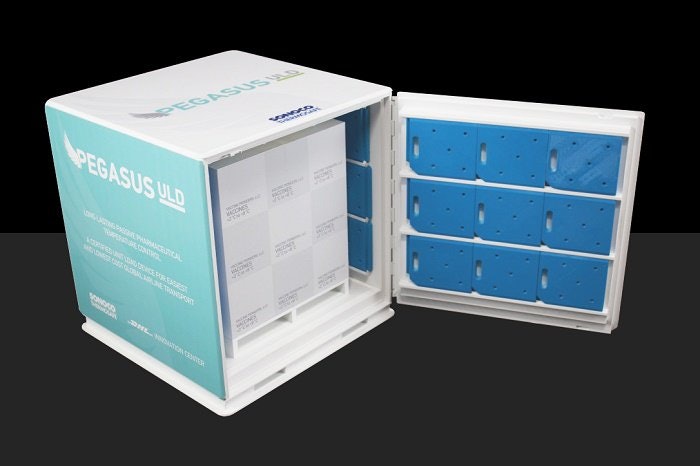
- Industry-accepted validation reports make audits simpler for supplement brands.
- Many kit sizes and accessories allow tuning to product needs.
- Durable, easy to source, and integrates with logistic providers.
- Good balance of cost and hold time for typical DTC probiotic shipments.
- Designed for stacking and palletization in warehouse environments.
- Less insulating power than VIP systems, requiring more coolant for long hauls.
- Bulkier than some high-end reusable shippers.
- Some kits use non-recyclable liners, so sustainability varies by model.
Performance Analysis
ThermoSafe containers reliably meet specified hold times when used as validated. In field reports, a 10L kit with PCM packs maintained 2-8C for 30-40 hours in moderate weather. They are predictable, which reduces risk for brands shipping Probiotics & Supplements that need consistency more than absolute max hold times.
User Experience Insights
Retailers and mid-size brands like ThermoSafe for its repeatability and availability. It's often used with data loggers to provide proof of temperature during transit. Users emphasize careful packing and following Sonoco's recommended coolant masses, because under-packing is a common cause of failures.
"ThermoSafe hits the sweet spot for many supplement brands - validated, available, and easy to use." - James Patel, Logistics Lead
Maintenance and Care
ThermoSafe liners should be wiped clean and allowed to dry. Replace disposable liners per company policy. Steps:
- Remove coolants and dispose or store per local rules.
- Wipe liner with mild detergent.
- Check for tears and replace the liner if damaged.
- Store liners flat to avoid warping.
Compatibility and Use Cases
ThermoSafe is ideal for supplement brands shipping multi-unit jars, retailers shipping returns, and companies that need documented validation for compliance. It is a middle road in terms of cost and performance - better than simple mailers but not as premium as VIP systems.
Comparison Table
| Feature | ThermoSafe Kit | Credo Cube 6L |
|---|---|---|
| Typical Hold Time (2-8C) | 30-40 hours | 36-48 hours |
| Validation Support | Included | Included |
| Reuse | Moderate | High |
Troubleshooting
If temps edge up:
- Confirm PCM conditioning and placement.
- Reduce air gaps and fill voids with insulating pads.
- For summer shipping, opt for overnight or add extra coolant mass.
Buying Guide: How to Choose Cold Chain Packaging Solutions for Probiotics & Supplements
Choosing the right cold chain packaging starts by answering a few key questions about your product and shipping profile. Ask: What is the target temperature range for my probiotic or supplement? How long will the product be in transit? What is my budget per shipment? Do I need documentation for retailers or regulators? Use these answers to prioritize features like hold time, reusability, validation support, and sustainability.
Criteria and scoring system:
- Temperature Control (score 1-10) - How precisely the package keeps target temps.
- Hold Time (1-10) - How long the system maintains target temp under standard ambient.
- Cost Per Shipment (1-10) - Lower is better for single-use; consider lifecycle costs for reusable systems.
- Sustainability (1-10) - Reusability, recyclable materials, and lower coolant waste.
- Validation & Documentation (1-10) - Important for retailer acceptance and audits.
Example scoring for a mid-size brand shipping 2-8C probiotics 3-day transit:
| Option | Temp Control | Hold Time | Cost/Shipment | Total |
|---|---|---|---|---|
| Pelican Credo Cube | 8 | 8 | 6 | 22 |
| Cryopak PCM + Mailer | 7 | 6 | 8 | 21 |
| va-q-tec VIP | 9 | 9 | 5 | 23 |
| ThermoSafe Kit | 7 | 7 | 7 | 21 |
Budget considerations and price ranges in 2025: Single-use insulated mailers with gel packs can run $3 to $8 per parcel including coolant. Mid-tier validated kits like ThermoSafe and Credo Cube amortized cost per shipment depends on reuse - expect $8 to
Maintenance and longevity factors with cost projections:
- Single-use mailers: minimal maintenance, replacement cost only - good for low volume DTC but wasteful.
- Reusable shippers: initial investment may be 50-400, with a lifecycle of 50-200 shipments depending on care. Factor in replacement panels or PCM packs.
- PCM and gel packs: replace every 6-12 months based on wear, with cost per pack $2 to
5.Compatibility and use case scenarios:
- Small DTC probiotic sachets - use Cryopak PCM with a well-insulated mailer and overnight shipping in hot months.
- Retail fulfillment or multi-unit jars - use Credo Cube or ThermoSafe kits for predictability and validation.
- Cross-border, long transit - consider va-q-tec VIP or active refrigerated solutions for reliability.
Expert recommendations and best practices:
- Validate with your product - run a temperature mapping with a data logger and document the results.
- Use returnable/reusable systems where possible to lower waste and long-term costs.
- Plan seasonal adjustments - summer needs extra coolant or faster shipping, winter may risk freezing.
- Include clear user storage instructions for consumers to maintain potency after delivery.
Seasonal considerations and timing recommendations: Ship earliest in the week to avoid weekend delays; avoid afternoon pickups during hot seasons; for summer add extra PCM or choose expedited carrier services. For winter guard against freezing - consider PCM that phases above 0C to avoid freezing strains or capsule damage.
Warranty and support information: Check manufacturer warranties for liners, panels, and any moving parts. Many vendors offer replacement panels and technical support for validation studies. Factor in service-level agreements if you're shipping to retailers that require documented chain-of-custody.
FAQ
What is the best temperature range for Probiotics & Supplements shipping?
Most live probiotics do best between 2-8C during shipping, but some stabilized supplements can tolerate up to 20C. Always check manufacturer strain data - some strains are freeze-sensitive and should not be exposed to subzero temps. Remember that real-world shipping often sees spikes, so choose packaging that can absorb those excursions.
How long can passive cold chain packaging keep probiotics viable?
It depends on the system - standard insulated mailers with gel packs may protect for 12-24 hours, validated kits often reach 24-48 hours, VIP systems can reach 48-72+ hours, and with dry ice you can extend frozen conditions even longer. Always validate with a data logger for your specific product and conditions.
Can I use dry ice for shipping probiotics?
Yes, but with caution. Dry ice gives very cold temps (-78C) and is good for frozen probiotics. However many probiotics are sensitive to freezing, and dry ice handling has shipping restrictions and safety rules. Use proper packaging and labeling, and ensure the product tolerates frozen temps before choosing dry ice.
How do I condition PCM packs correctly?
Follow the manufacturer's instructions - typically a 5C PCM is conditioned by placing it in a 4-5C refrigerator for 18-24 hours until fully at phase temp. For frozen phase change packs, use a designated freezer that reaches the recommended temp. Improper conditioning is a common cause of temp failures.
Are reusable shippers worth the cost for small brands?
They can be if you plan for returns or reuse programs. Reusable shippers lower cost-per-use over time and reduce waste. Calculate expected reuse count - if you can use a shipper 50 times, the upfront cost spreads out and often beats single-use per shipment costs. But for very low volume or one-off shipments, single-use might still be cheaper.
What should consumers do when they receive probiotics shipped cold?
Consumers should check the package temperature and any included data logger readout if provided, then place supplements in refrigerated storage per label - usually immediate refrigeration at 2-8C. If a shipment shows signs of thaw or heat exposure, contact the seller before consuming as potency may be reduced.
How do I test my packaging setup before scaling up?
Run a pilot with data loggers placed with product dummies and send them through the same carrier routes and service levels you plan to use. Track ambient temps, internal temps, and any excursions. Use this real-world data to adjust coolant mass, insulation, and shipping windows. Validation prevents costly recalls or customer complaints.
Can I ship probiotics internationally with these systems?
Yes, but international shipping introduces longer transit times and customs delays. For cross-border shipments consider VIP systems or active refrigerated containers, and always ensure packaging meets the destination country's import rules for temperature-sensitive goods. Also plan for longer hold times and inspect for legal restrictions on dry ice or biological materials.
Conclusion
Cold chain packaging is a key part of protecting the potency and reputation of Probiotics & Supplements. Choosing the right solution involves weighing hold time, cost, validation needs, and sustainability. For many DTC probiotic sellers, combining Cryopak PCMs with a validated passive container like Pelican Credo or ThermoSafe offers a strong balance of cost and performance. For high-value or long transit shipments, va-q-tec VIP systems provide pharma-grade insulation that reduces the need for active cooling.
Always validate with data loggers, plan seasonally, and include clear storage instructions for consumers. Consider lifecycle cost - reusable systems can save money and waste over time, while single-use mailers may still be right for small, fast deliveries. My final recommendation: start by testing the least costly option that meets your hold time, then iterate with data to find the most reliable and sustainable approach for your specific probiotic formulations.
If you are unsure where to begin, run a pilot with a small batch and a data logger to map temps over the typical route. That test will show you whether you need more PCM mass, a better insulated liner, or a switch to VIP. Continue to measure and adjust - it's the best way to protect live cultures and keep customers happy. Happy shipping and stay curious about what keeps your gut-health products working as intended.
- PCM and gel packs: replace every 6-12 months based on wear, with cost per pack $2 to