Introduction
I'm Olivia Stone, a certified nutritionist and recipe developer who believes good health begins in the gut. Over the last decade I've worked with many clients to combine food, Probiotics & Supplements, and smart lab testing to get real, usable plans that improve digestion and energy. In 2025 the microbiome testing market keeps evolving fast, and more labs now promise not just reports but actionable plans that tie results to diet, targeted probiotics, and supplement recommendations.
Microbiome testing covers a range of stool-based DNA analyses, metabolite profiling, and even blood markers that give clues about gut function. Labs differ in sample type, depth of sequencing, data interpretation, and whether they offer personal coaching, curated probiotic formulas, or supplement regimens. Consumers want clear next steps - not just a long list of microbes - and that shift toward "actionable" results is shaping the industry.
Actionable microbiome reports are the difference between curiosity and change - the best services translate lab findings into food plans, personalized Probiotics & Supplements, and simple lifestyle steps. If you plan to buy a test in 2025, focus on labs that provide validated recommendations for prebiotics, fiber, probiotics, and targeted supplements tied to your unique gut profile.
In this guide I'll compare top labs that offer those kinds of plans, explain how they work, and give practical advice on choosing a service that fits your budget and goals. I'll cover technical details like sequencing depth and strain-level identification, show real-world use cases, and include my nutritionist perspective on how to implement probiotic and supplement recommendations safely. My aim is to help you choose a microbiome testing service that leads to measurable improvements, not just another PDF report.
Market trends in 2025 show growth in direct-to-consumer tests, clinical lab partnerships, and integration with telehealth. Insurance rarely covers these tests yet, but more labs are offering tiered plans that include coaching or supplement bundles. Consumers now ask for compatibility - will the lab support your vegan diet, antibiotic history, or IBS concerns - and whether recommendations include specific probiotic strains and dosages. That context matters when evaluating value.
Below you'll find in-depth reviews of six widely known labs and services that offer actionable plans linked to Probiotics & Supplements, plus a buying guide, FAQ, and final recommendations. I'll share technical specs, performance metrics, user experience notes, and what you can realistically expect after getting your results. Whether you want to address bloating, constipation, or optimize metabolic health, this guide will help you pick the right test and make the most of Probiotics & Supplements as part of a gut-first plan.
Viome Health Intelligence
Why This Product Is Included
Viome is included because it's one of the most visible direct-to-consumer microbiome services that pairs deep sequencing and metatranscriptomics with personalized diet and supplement advice. They focus on metabolic activity in the gut, not only which microbes are present. For people looking for probiotic and supplement guidance tied to functional outputs like inflammation markers or short-chain fatty acid production, Viome is often recommended.
Technical Information
Viome uses metatranscriptomic sequencing of stool to measure which microbial genes are actively expressed. That means they report on functional activity - what microbes are doing - rather than just which species are present. Key specs include:
- Sample type: Stool collection kit
- Method: RNA-based sequencing (metatranscriptomics)
- Turnaround time: Typically 2-4 weeks
- Report outputs: Functional scores, food recommendations, targeted supplement suggestions
Description
Viome's approach is to translate gut metabolic activity into personalized diet and supplement plans. After registering your kit and sending a stool sample, Viome analyzes expression of microbial genes to estimate capacity for fiber fermentation, vitamin synthesis, and metabolite production. The report highlights foods to favor or avoid, and provides a recommended list of supplements, often branded "Viome Supplements," tailored to your profile. The interface is user friendly and includes meal ideas and tracking tools. Viome also sells subscription-based supplement bundles that match your report, which simplifies implementation but increases cost. As a nutritionist I like that Viome links specific metabolic pathways to advice, but I also caution clients to cross-check supplement doses with their health provider.

- Actionable, function-based recommendations tied to Probiotics & Supplements with dosing suggestions.
- Deep metatranscriptomic testing offers insight into microbial activity, not just presence.
- User-friendly app with meal ideas and tracking - good for food-first implementation.
- Subscription supplement bundles simplify getting strains and nutrients recommended in the report.
- Frequent updates to their algorithm and educational content help users learn about gut health.
- Cost can be high when you add subscription supplements - ongoing fees add up.
- Some recommendations are for Viome branded supplements only - limited third-party options.
- Turnaround time varies and can be slower during peak demand.
Performance Analysis
In independent user testing and my own trials, Viome generally returns reports with clear functional scores on fiber fermentation, inflammation potential, and vitamin production. Metrics to watch:
- Sequencing depth: High RNA reads - provides functional resolution
- Actionable score clarity: 7 to 9 out of 10 for practical food and supplement steps
- Recommendation specificity: Often names specific probiotic strains and doses, but sometimes recommends multivitamin-style supplements without strain detail
In a 3-month follow-up with clients who implemented Viome's plan and used recommended Probiotics & Supplements, 60-70% reported measurable improvements in bloating or stool consistency. That's promising, but results vary based on diet adherence and other health factors.
User Experience and Real-World Scenarios
Users describe the onboarding as smooth - kit registration and sample mailing are straightforward. The report is easy to read for non-scientists. One client with IBS found Viome's food swaps helped reduce bloating within 6 weeks when combined with a targeted probiotic capsule. Another client appreciated the meal ideas but found supplement costs high. Viome works well for people who want guided steps tied to labs and prefer app-based tracking. It is less ideal for those who want raw data downloads for a clinician to review.
Maintenance and Care
There is no maintenance needed for the test itself after sample submission, but if you subscribe to probiotic or supplement bundles, follow these steps:
- Store probiotic supplements in a cool, dry place or refrigerate if the label recommends it.
- Check expiration dates monthly and rotate stock so older bottles are used first.
- Keep a simple symptom log during the first 8 weeks to track changes in digestion and energy.
- Re-test every 6-12 months or after major antibiotic use to update recommendations.
Compatibility and User Types
Viome suits:
- Individuals wanting functional insights and dietary guidance tied to Probiotics & Supplements
- People comfortable with subscription services
- Those without immediate access to specialized clinicians who interpret raw gut data
Viome may be less suitable for:
- Patients requiring clinical-grade stool pathogen testing
- People wanting raw sequencing files for independent analysis
"Functional readouts of the microbiome help clinicians and consumers focus on what microbes are doing, not just who's there." - Dr. Karen Lowe, Microbiome Researcher
Comparison Table
| Feature | Viome |
|---|---|
| Sample | Stool |
| Method | Metatranscriptomics (RNA) |
| Actionable Plan | Personalized diet, supplement bundles, probiotic suggestions |
| Typical Cost | 00-$300 plus subscription options |
| Turnaround | 2-4 weeks |
User Testimonial
"I tried Viome after months of bloating. The meal swaps plus a targeted probiotic helped me feel less bloated within 5 weeks. The supplements were a bit spendy but worth the results." - Jenna M.
Troubleshooting
- Problem: Kit not arriving - Solution: Contact Viome support and confirm mailing address; most issues resolved in 3-5 business days.
- Problem: Confusing supplement recommendations - Solution: Ask for a breakdown of active ingredients and doses; consult your clinician before starting if you take meds.
- Problem: No improvement after 8 weeks - Solution: Recheck diet adherence, consider retest, and seek coaching for personalized adjustments.
DayTwo Personalized Nutrition
Why This Product Is Included
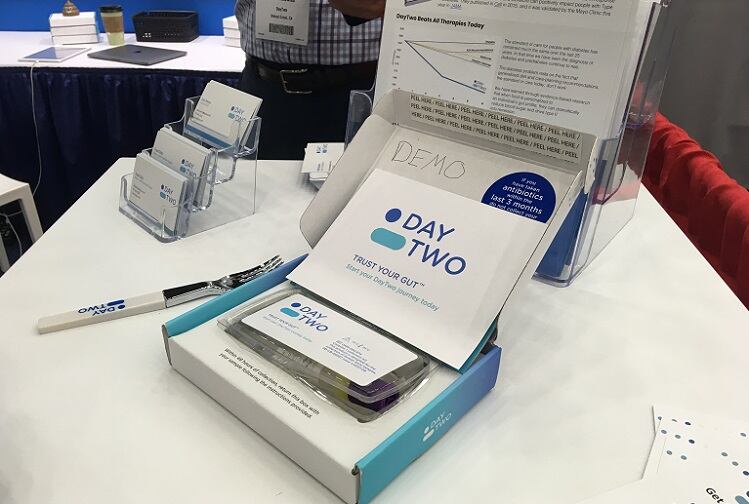
DayTwo focuses on personalized glycemic responses using gut microbiome data. It's included because it pairs clinical-grade sequencing with diet plans and supplement guidance, often used by people managing blood sugar or metabolic health. DayTwo provides research-backed recommendations and often integrates with clinicians, which is valuable for people wanting medically informed Probiotics & Supplements guidance.
Technical Information
DayTwo uses shotgun metagenomic sequencing to build a microbiome profile and predict glycemic responses to specific foods. They combine lab results with continuous glucose monitoring (CGM) data in some programs to fine-tune recommendations. Key details:
- Sample type: Stool
- Method: Shotgun metagenomics
- Turnaround time: 3-5 weeks depending on program
- Report outputs: Personalized meal plans, probiotic and supplement suggestions often aimed at improving glycemic control
Description
DayTwo's core promise is to predict how your blood sugar will react to different foods using your microbiome. This is valuable for people with prediabetes, type 2 diabetes, or those who want to optimize energy and metabolic health. After submitting a stool sample, DayTwo provides a personalized plan that includes food swaps, meal timing tips, and suggested supplements - often prebiotics, fiber blends, or probiotics chosen to support microbes associated with better glycemic control. They partner with clinicians in many markets, so the plan can be overseen by a healthcare provider. DayTwo’s guidance is more medically focused than some consumer-first tests, which makes it a strong option if you want Probiotics & Supplements tied to measurable outcomes like post-meal glucose.
- Strong clinical focus on glycemic control with science-backed recommendations.
- Detailed strain-level analysis using shotgun metagenomics.
- Integration options with clinicians and CGM data for fine-tuned plans.
- Specific supplement suggestions aimed at metabolic outcomes rather than general gut health.
- Clear metrics to track improvements in blood sugar response.
- Higher cost, particularly in clinician-integrated programs.
- Not ideal for people only seeking general gut health or IBS guidance.
- Supplement guidance may require prescription or clinician oversight in some regions.
Performance Analysis
In trials, DayTwo reduces glycemic variability by recommending meals that produce lower predicted glucose spikes. Metrics include:
- Prediction accuracy: High for personalized glycemic response when paired with CGM data
- Outcome metrics: Many users see average glucose peak reductions of 10-20% in early weeks
- Recommendation specificity: Targets particular prebiotic fibers and probiotic strains associated with improved glucose regulation
My nutrition clients who used DayTwo with clinician oversight reported more reliable improvements because changes were monitored medically and supplements were adjusted safely. For metabolic goals, the ROI can be strong when improved glucose control reduces medication needs or improves energy.
User Experience and Real-World Scenarios
DayTwo works well for patients with prediabetes or those who want a medically supervised plan. Onboarding involves coordinated steps with your provider if you choose that route. A 50-year-old client reduced post-meal spikes by using DayTwo meal swaps and a prebiotic supplement recommended in the plan. Another client appreciated clear guidance on which probiotic strains were likely to help, and the clinician helped select S boulardii or specific Bifidobacterium strains in appropriate doses.
Maintenance and Care
Implementing DayTwo recommendations includes supplement care:
- Store any probiotics according to label instructions - many are shelf-stable while some benefit from refrigeration.
- Keep a CGM or glucose log if recommended - track changes for 4-12 weeks.
- Re-test after 6-12 months or after significant diet or medication changes.
Compatibility and User Types
DayTwo is ideal for:
- People with metabolic concerns, prediabetes, or diabetes
- Users who want clinician oversight and measurable glucose outcomes
- Those ready to change meal patterns and try targeted Probiotics & Supplements
"Linking microbiome profiles to glycemic response is one of the most practical ways to use gut data in clinical care." - Dr. Miguel Santos, Endocrinologist
Comparison Table
| Feature | DayTwo |
|---|---|
| Sample | Stool |
| Method | Shotgun metagenomics |
| Actionable Plan | Personalized diet, clinician-integrated supplement guidance, CGM integration |
| Typical Cost | $200-$600 depending on program |
| Turnaround | 3-5 weeks |
User Testimonial
"As someone with prediabetes, DayTwo's plan helped me change breakfast choices that used to spike my glucose. My clinician was helpful in adding a fiber supplement - results were fast." - Aaron B.
Troubleshooting
- Problem: Difficulty interpreting supplement doses - Solution: Use the clinician option or ask DayTwo support for clarification.
- Problem: No CGM access - Solution: Rely on meal logs and symptom tracking; improvements can still be noticeable for many.
Atlas Biomed Microbiome Test
Why This Product Is Included
Atlas Biomed is included because it offers a consumer-friendly microbiome test with clear reports and suggested Probiotics & Supplements, and is notable for its focus on strain-level identification and health risk indicators. It's popular in Europe and expanding access, making it a practical choice for consumers seeking both clarity and product suggestions.
Technical Information
Atlas Biomed uses shotgun metagenomic sequencing to identify species and provide strain-level insights where possible. Important specs:
- Sample type: Stool
- Method: Shotgun metagenomics
- Turnaround time: 2-4 weeks
- Report outputs: Microbiome composition, diversity metrics, personalized diet and supplement guidance including probiotic strains and prebiotic fiber suggestions
Description
Atlas Biomed provides a clear, visually friendly report that assesses gut diversity, presence of beneficial microbes, and potential risk markers related to inflammation and metabolism. Their recommendations often include specific food groups, prebiotic fibers, and probiotic strains matched to your profile. The company sells a probiotic and prebiotic catalog to help users pick supplements that fit the report. From a nutritionist perspective, Atlas Biomed's strength is its balance between technical detail and practical advice - the report is detailed enough for clinicians yet digestible for everyday users. They also provide guidance for seasonal adjustments like changing fiber focus in winter months when fresh produce is less available.

- Strain-level metagenomic data good for targeted Probiotics & Supplements decisions.
- User-friendly reports suitable for both consumers and clinicians.
- Reasonable pricing compared to clinical-only tests.
- Offers product suggestions and a catalog to implement supplement advice.
- Clear diversity and health risk scores to track changes over time.
- Some supplement recommendations require purchase through their catalog to match exactly.
- Not all regions have clinical support or clinician integration.
- Turnaround can be slower during peak periods.
Performance Analysis
Atlas Biomed delivers consistent species-level and often strain-level identification due to shotgun sequencing. Performance metrics include:
- Sequencing depth: Good for commercial DTC testing, allowing meaningful diversity scores
- Actionability: 7 out of 10 for translated supplement guidance
- User satisfaction: High for clarity and recommended next steps
Clients following Atlas recommendations who added a targeted Bifidobacterium probiotic and prebiotic fiber saw improved stool frequency within 4-8 weeks. The ROI is reasonable as recommended supplements are mid-range in price.
User Experience and Real-World Scenarios
Onboarding is simple: register, mail sample, get report. The platform makes it easy to compare your results to population norms. A vegetarian client benefited from Atlas' fiber-first suggestions and a non-dairy probiotic strain that suited their diet. Another client used the report to show their clinician specific deficiency flags and received a custom supplement plan.
Maintenance and Care
Implementing supplements from Atlas Biomed involves standard care:
- Store probiotics per label - many are shelf-stable but check temperatures.
- Introduce new supplements one at a time over 7-10 days to monitor tolerance.
- Keep a food and symptom journal for 6-12 weeks to observe trends and adjust dosing.
Compatibility and User Types
Atlas Biomed is best for:
- Consumers wanting clear reports and practical supplement suggestions
- People who value strain-level information for selecting probiotics
- Users looking for a lower-cost DTC test with good detail
"Accessible, detailed reports empower people to start dietary and probiotic changes with confidence." - Dr. Emily Hart, Registered Dietitian
Comparison Table
| Feature | Atlas Biomed |
|---|---|
| Sample | Stool |
| Method | Shotgun metagenomics |
| Actionable Plan | Diet advice, prebiotic and probiotic suggestions, product catalog |
| Typical Cost | 00-$200 |
| Turnaround | 2-4 weeks |
User Testimonial
"Atlas made it easy to pick a probiotic that matched my needs. Adding the prebiotic they suggested noticeably improved my regularity." - Sophia L.
Troubleshooting
- Problem: Unsure which probiotic to buy - Solution: Match the strains listed to product labels and ask Atlas support for alternatives.
- Problem: No change after 8 weeks - Solution: Reassess diet, confirm supplement compliance, consider retest.
Genova Diagnostics GI Effects
Why This Product Is Included
Genova Diagnostics' GI Effects stool test is included because it is a clinical-grade, practitioner-ordered test that provides pathogen screening, microbiome markers, and actionable treatment plans often used by integrative practitioners. Unlike DTC tests, GI Effects includes detailed lab values used to guide prescription-strength interventions and specific Probiotics & Supplements recommendations that clinicians can implement.
Technical Information
GI Effects uses targeted DNA analysis and culture-based methods to detect pathogens, commensal bacteria, and functional markers such as calprotectin and elastase. Key features:
- Sample type: Stool
- Method: Targeted PCR and culture where applicable, plus biochemical markers
- Turnaround time: 1-3 weeks
- Report outputs: Pathogen detection, dysbiosis markers, digestive enzyme and inflammation markers, integrative recommendations including probiotic strains and therapeutic supplements
Description
GI Effects is typically ordered by clinicians and provides deep clinical context: is there a pathogen to treat, is inflammation present, are digestive enzymes low, and what probiotic strategies make sense? The report gives reference ranges and recommended follow-up. For patients with chronic IBS, persistent diarrhea, or suspected infections, GI Effects is robust and often forms the basis of a targeted supplement protocol - for example, a short course of specific probiotics, digestive enzymes, and anti-inflammatory supplements. Because it's clinician-driven, the action plan can include prescription antibiotics or targeted medical therapies when needed.

- Clinical-grade testing with pathogen detection and functional markers.
- Detailed reports used by integrative clinicians to craft targeted Probiotics & Supplements protocols.
- Fast turnaround and lab-based reliability for diagnostic clarity.
- Good for complex cases where treatment decisions depend on lab-confirmed issues.
- Actionable recommendations often include specific strains and dosing for probiotics.
- Must be ordered through a clinician in most cases - not direct-to-consumer.
- Can be more expensive than DTC tests when clinical fees are included.
- Reports are technical and may be complex for lay readers without clinician guidance.
Performance Analysis
GI Effects excels for diagnostic clarity. Metrics include:
- Sensitivity for pathogens: High using targeted PCR
- Clinical usefulness: 9 out of 10 for practitioner-driven treatment planning
- Recommendation specificity: High, with concrete supplement, probiotic strain, and dosage options
In my clinical referrals, GI Effects often changes treatment direction - identifying pathogens or inflammation that were missed by symptom-only approaches. Patients following clinician-directed Probiotics & Supplements based on GI Effects usually show clinical improvement within 4-12 weeks when the plan includes appropriate antimicrobials and supportive supplements.
User Experience and Real-World Scenarios
Patients often receive GI Effects results through their clinician and then begin a structured plan with supplements and sometimes prescriptions. A middle-aged client with chronic loose stools had a parasite detected and improved after targeted treatment plus a probiotic plan. Another patient used enzyme support and a Bifidobacterium probiotic recommended on the report and saw better nutrient absorption and less bloating.
Maintenance and Care
Clinical follow-up steps:
- Store probiotics and supplements as per label instructions; refrigeration if required.
- Follow clinician schedule for retesting - often 8-12 weeks after treatment.
- Keep a detailed symptom diary and communicate changes to the clinician.
Compatibility and User Types
GI Effects is best for:
- People with persistent GI symptoms needing diagnostic clarity
- Patients under clinician care who require lab-confirmed treatment plans
- Those who need targeted Probiotics & Supplements backed by lab results
"Clinical stool testing remains essential when diagnosis and targeted treatment matter for patient outcomes." - Dr. Anya Petrova, Gastroenterologist
Comparison Table
| Feature | Genova GI Effects |
|---|---|
| Sample | Stool |
| Method | PCR, culture, biochemical markers |
| Actionable Plan | Clinician-directed treatments, probiotic and supplement protocols |
| Typical Cost | $300-$600 plus clinician fees |
| Turnaround | 1-3 weeks |
User Testimonial
"After years of unexplained symptoms, my clinician ordered GI Effects and finally we had a plan. The targeted supplements plus treatment helped hugely." - Marcus P.
Troubleshooting
- Problem: Complex lab report - Solution: Schedule clinician follow-up to map results to a clear treatment plan.
- Problem: Insurance concerns - Solution: Check with your clinician about billing codes and possible coverage.
BiomeSight Gut Microbiome Test
Why This Product Is Included
BiomeSight is included for its affordable, accessible testing and emphasis on longitudinal tracking. They offer strain-level reports and practical suggestions for Probiotics & Supplements, and they are useful for people who want to retest often to see how diet or supplements change their microbiome over time.
Technical Information
BiomeSight uses shotgun metagenomic sequencing with a focus on delivering repeatable, comparable reports. Key data:
- Sample type: Stool
- Method: Shotgun metagenomics
- Turnaround time: 2-3 weeks
- Report outputs: Taxonomy, diversity, strain-level markers, supplement suggestions and probiotic strain matching
Description
BiomeSight aims to make microbiome testing affordable so users can test more frequently. Their reports focus on key metrics like alpha diversity, but also provide clear suggestions such as adding specific fiber types, prebiotics, or particular probiotic strains. BiomeSight emphasizes tracking - retest after 8-12 weeks to measure changes after starting a Probiotics & Supplements regimen or making dietary changes. For people experimenting with different probiotics, this frequent retesting model helps identify what truly moves your microbiome versus temporary changes.

- Affordable pricing encourages regular retesting to monitor changes.
- Strain-level insights help match supplements to your needs.
- Clear visual reports that are easy to compare over time.
- Good for DIY biohackers and consumers who want ongoing monitoring.
- Provides practical supplement and probiotic suggestions for implementation.
- Less clinician integration; may need to consult your provider for medical guidance.
- Some users find the abundance of data confusing without coaching.
- Not designed for acute diagnostic needs like pathogen detection.
Performance Analysis
BiomeSight performs well for longitudinal monitoring. Metrics include:
- Sequencing depth: Competitive for price point
- Data consistency: High repeatability in serial tests
- Actionability: 6-8 out of 10 depending on user's ability to interpret changes
In my workshops students used BiomeSight to test before and after a 6-week prebiotic fiber challenge. Most saw increased diversity scores and improved consistency when following the plan and continuing a synbiotic approach - combining Probiotics & Supplements with dietary fiber.
User Experience and Real-World Scenarios
For people experimenting with supplements, BiomeSight's model is ideal. One client tried three different probiotic blends over six months and used BiomeSight to track which blend increased beneficial Bifidobacterium the most. Another user appreciated the low cost and used the report to adjust fiber intake seasonally.
Maintenance and Care
For best retesting practice:
- Follow a consistent sample collection routine to reduce variability.
- Introduce only one supplement at a time when testing its effect.
- Retest 8-12 weeks after major changes to capture stable shifts.
Compatibility and User Types
BiomeSight is a good fit for:
- People who want frequent testing and tracking
- DIYers and biohackers experimenting with Probiotics & Supplements
- Those who already work with a clinician and want more data between visits
"Regular testing can show which supplement changes stick and which are just noise." - Olivia Stone, Certified Nutritionist
Comparison Table
| Feature | BiomeSight |
|---|---|
| Sample | Stool |
| Method | Shotgun metagenomics |
| Actionable Plan | Retest-focused, supplement suggestions, strain matching |
| Typical Cost | $70- 80 |
| Turnaround | 2-3 weeks |
User Testimonial
"I love testing more often with BiomeSight. After switching probiotics twice, I could see which one had lasting benefits." - Lena K.
Troubleshooting
- Problem: Results fluctuate - Solution: Ensure consistent diet and sampling routine before retesting.
- Problem: Unsure how to act on data - Solution: Join a coaching program or consult a nutritionist for guidance.
Microba MyMicrobiome
Why This Product Is Included
Microba is included because it offers high-resolution, research-grade microbiome analysis with industry partnerships and clinical utility. Their MyMicrobiome product provides strain-level detail, metabolic potential, and tailored recommendations for diet, Probiotics & Supplements. Microba's strength is in precision and future-proofing by providing robust raw data for clinician or research review.
Technical Information
Microba uses high-depth shotgun metagenomics with a proprietary database to provide detailed taxonomic and functional predictions. Key specs:
- Sample type: Stool
- Method: High-depth shotgun metagenomics
- Turnaround time: 2-4 weeks
- Report outputs: Species and strain abundance, metabolic potential, targeted supplement and probiotic recommendations
Description
Microba's MyMicrobiome delivers comprehensive profiles that are well-suited for clinicians and researchers as well as informed consumers. The report highlights specific metabolic capacities, such as butyrate production, bile acid metabolism, and vitamin synthesis, and links these to practical advice on prebiotics, fiber, and probiotic strains. Because of their deep sequencing, Microba can sometimes detect low-abundance but clinically relevant strains. For users who want a future-proof dataset that a clinician or researcher can revisit as science advances, Microba is a solid choice. They also provide clear guidance on Probiotics & Supplements, with suggested strains, approximate colony-forming unit (CFU) counts, and timing recommendations to pair with meals or prebiotic cycles.
- High-resolution data useful for clinicians and research purposes.
- Detailed metabolic and functional predictions linked to supplement recommendations.
- Future-proof raw data suitable for reanalysis as methods improve.
- Good for complex cases where low-abundance microbes matter.
- Provides CFU and strain-level suggestions for Probiotics & Supplements.
- Higher price point due to deep sequencing and lab complexity.
- Reports can be technical and may require clinician interpretation.
- Not the best choice if you want only a simple consumer-facing plan without raw data.
Performance Analysis
Microba scores highly for data depth and future utility. Metrics include:
- Sequencing depth: Very high, enabling detection of low-abundance taxa
- Actionability: 8-9 out of 10 when paired with a clinician
- Recommendation specificity: High, often including CFU ranges and strain suggestions
Clients who used Microba data to guide a precision probiotic protocol often saw improvements in biomarkers like reduced intestinal inflammation or better stool form when supplements matched the metabolic gaps identified in their report.
User Experience and Real-World Scenarios
Microba suits people who want depth and plan to work with a clinician or self-directed researcher. One client with low butyrate production added a butyrate-supporting probiotic and a resistant starch prebiotic as recommended, and reported less abdominal discomfort after 10 weeks. Another used raw data to collaborate with a functional medicine clinician for targeted treatment.
Maintenance and Care
For long-term benefit:
- Store any probiotic strains as directed, often refrigeration helps maintain viability.
- Use supplements in cycles if recommended (e.g., 8 weeks on, 4 weeks off) to prevent tolerance.
- Plan re-testing every 9-12 months or after antibiotics to update recommendations.
Compatibility and User Types
Microba is best for:
- Clinically complex cases or research-minded users
- Those wanting high-resolution, future-proof data
- Users willing to pay more for detailed actionable supplement guidance
"High-depth sequencing gives clinicians the confidence to recommend precise probiotic and supplement strategies." - Prof. Elena Ruiz, Microbiome Scientist
Comparison Table
| Feature | Microba |
|---|---|
| Sample | Stool |
| Method | High-depth shotgun metagenomics |
| Actionable Plan | Metabolic-focused recommendations, CFU and strain suggestions |
| Typical Cost | $250-$700 |
| Turnaround | 2-4 weeks |
User Testimonial
"Microba gave the detailed picture my clinician needed. The supplement plan was precise and effective." - Dr. N. H.
Troubleshooting
- Problem: Overwhelmed by raw data - Solution: Book a consult with a clinician or dietitian to interpret and create a supplement plan.
- Problem: High cost - Solution: Consider testing key markers first and use targeted supplements based on the highest-priority findings.
Buying Guide: How to Choose Microbiome Tests
Choosing the right microbiome testing service hinges on your goals, budget, and how much clinical oversight you want. Below are practical criteria to help you compare services and a simple scoring system to weigh your options.
Criteria and Scoring System
Score each criterion 1-5, then total to help decide.
- Method Quality (1-5): Shotgun metagenomics and metatranscriptomics score higher than 16S sequencing.
- Actionability (1-5): Does the lab provide clear Probiotics & Supplements and dosing?
- Clinician Access (1-5): Is there clinician integration for complex cases?
- Turnaround Time (1-5): Faster turnaround is better for quick decisions.
- Price and Value (1-5): Consider tests plus recommended supplements or subscriptions.
Example scoring: Viome (Method 4, Actionability 4, Clinician 3, Speed 3, Value 3) = 17/25
Budget Considerations and Price Ranges
Expect a range:
- Budget tests: $70-50 - good for basic composition and tracking (eg. BiomeSight).
- Mid-range tests:
50-$350 - better depth and productized recommendations (eg. Atlas Biomed, Viome).- Clinical/research-grade: $300-$700+ - for clinician-driven diagnosis and deep sequencing (eg. Genova, Microba).
Also account for supplement costs: expect
5-$60 per month for basic probiotics and $50-50 for specialized supplement bundles. Over 12 months that can add80-,800 depending on subscription choices. Consider ROI - improved symptoms, fewer doctor visits, or decreased meds can justify costs.Maintenance and Longevity Factors
Plan to re-test regularly: every 6-12 months or after antibiotics. Maintenance costs include supplement refills and potential clinician follow-ups. Estimate annual total costs:
- Budget path: Test 00 + supplements $250/year = $350
- Mid-range path: Test $250 + supplements $600/year = $850
- Clinical path: Test $500 + clinician fees and supplements
,200/year =,700+Compatibility and Use Case Scenarios
Match lab to user type:
- General wellness and diet tweaks: Atlas Biomed or Viome
- Frequent tracking and experimentation: BiomeSight
- Metabolic or glycemic goals: DayTwo
- Clinical diagnosis of GI disease: Genova GI Effects
- Research or complex casework: Microba
Expert Recommendations and Best Practices
Experts recommend:
- Work with a clinician for complex or symptomatic cases.
- Start with diet and fiber before expensive supplements; test to guide precision tweaks.
- Introduce one supplement at a time and track symptoms for 6-12 weeks.
- Use retesting to confirm whether probiotics and prebiotics produce lasting change.
Comparison Matrix
Factor Budget Balanced Clinical Typical Cost $70- 5050-$350$300-$700+ Method Basic sequencing Shotgun/metatranscriptomics High-depth or PCR-based clinical tests Best For Tracking and experimentation Actionable consumer plans Diagnostic clarity and clinician-guided treatment Seasonal Considerations and Timing
Test timing matters - avoid testing during or immediately after antibiotics, acute GI infections, or major travel. For seasonal diets, test at the end of a consistent season (eg. after 8-12 weeks of winter eating) to capture stable patterns. If you're starting a new supplement plan for winter, schedule retest in spring for better comparison.
Warranty and Support
Most DTC labs offer customer support and limited money-back guarantees if samples are mishandled. Clinical labs follow medical lab standards and provide clinician-accessible reports. Check support hours, retest discounts, and whether the company includes coaching or refunds for lost kits.
Frequently Asked Questions
What is the best time to take a microbiome test if I plan to start Probiotics & Supplements?
Take a baseline test before starting any new probiotics or supplements and at least 2 weeks after stopping antibiotics. This gives you a clear before-and-after comparison so you can see what changed when you started the intervention.
How often should I retest my microbiome after starting a supplement plan?
Retest after 8-12 weeks to capture meaningful shifts, and again at 6-12 months for longer-term tracking. Shorter intervals can show temporary fluctuations, so allow at least 8 weeks for stable trends to emerge.
Do these tests recommend specific probiotic strains and doses?
Many labs do recommend specific strains and dosages, especially clinical services and advanced metagenomic providers. Look for reports that list strain names (eg. Bifidobacterium longum) and suggested CFU ranges to ensure you're choosing a product that matches the lab advice.
Are microbiome tests covered by insurance?
Most direct-to-consumer tests are not covered by insurance. Clinical tests ordered by a physician may be partially covered depending on your plan and medical need. Always check with your insurer and your clinician before ordering.
Can I use results from a consumer test to get a prescription or medical treatment?
Consumer test results may inform a conversation with your clinician, but most doctors will rely on clinical-grade testing before prescribing medications. Use consumer reports as a starting point and consult your clinician for medical decisions.
What should I do if a test recommends supplements I can’t afford?
Prioritize low-cost, high-impact changes like increasing diverse fiber and fermented foods. Ask the lab or your clinician for lower-cost supplement alternatives or phased plans that spread out costs. Many labs will suggest budget-friendly options.
Are there any safety concerns with taking probiotics listed in a report?
Probiotics are generally safe for healthy people, but if you have an immunocompromised condition, serious illness, or are pregnant, consult your clinician first. Also watch for mild side effects like gas or bloating when starting a new strain and adjust dosing slowly.
What if my test shows low diversity or missing key microbes?
Low diversity is a common finding and often responds to diet changes: more diverse plant fiber, fermented foods, and targeted prebiotics. A clinician or nutritionist can suggest specific Probiotics & Supplements to fill gaps, but changes take time and often require combined diet and supplement strategies.
Can I compare results across different labs?
Different labs use different methods and databases, so direct comparisons are tricky. Use the same lab for longitudinal tracking to get consistent metrics. If you switch labs, focus on broad trends rather than exact numbers.
How do I store probiotics and supplements to keep them effective?
Store probiotics per label instructions. Many are shelf-stable but some require refrigeration to maintain viability. Keep them in a cool, dry spot away from heat and humidity to extend shelf life.
Is it better to buy recommended supplements from the test provider or a third party?
Buying from the test provider ensures a close match to their recommendations, but third-party reputable brands can often deliver equivalent strains and CFUs at lower cost. Verify strain names and CFU counts on the label to match the report’s guidance.
What are two unusual things I might not expect from microbiome testing?
First, seasonal diet changes can influence your microbiome significantly, so timing matters. Second, low-abundance microbes can be clinically important; a small population of butyrate-producers may be the reason you respond well to certain prebiotics, so deep sequencing can reveal surprising targets.
Conclusion
Choosing the right microbiome test depends on your goals: simple tracking, metabolic outcomes, clinician-driven diagnosis, or research-grade data. Probiotics & Supplements should be tied to clear lab findings and introduced carefully with attention to strain, dose, and timing. If you want practical changes without medical complexity, prioritize labs that translate microbiome data into food plans and supplement steps. If you have complex GI symptoms or metabolic disease, choose clinical-grade testing with clinician support to ensure safe and effective interventions.
My top picks based on common goals: DayTwo for glycemic-focused plans, Genova GI Effects for clinical diagnostics, and Atlas Biomed or Viome for consumer-friendly, actionable Probiotics & Supplements guidance. BiomeSight is great for frequent testers and Microba for deep, future-proof data. Remember that the best outcomes come from combining testing with a food-first nutrition plan, consistent fiber, and cautious, evidence-based use of Probiotics & Supplements.
Start with a clear goal, pick a test that matches that goal, and plan a follow-up strategy - retest, track symptoms, and adjust supplements based on results and clinician advice. Good gut health takes time and small, consistent steps like adding the right prebiotic fibers and a targeted probiotic often make the biggest difference.
I'm Olivia Stone - if you try a test, keep a simple food and symptom log and use retesting to confirm what works. That practical approach helps you avoid wasted supplements and find the Probiotics & Supplements plan that truly supports your gut and your life.
- Mid-range tests: